HEAL of Southern Arizona
Living With MCSBecause we are virtually inundated with chemicals in modern society, living with Multiple Chemical Sensitivities (MCS) presents overwhelming challenges. Groups such as HEAL of Southern Arizona provide information and support urgently needed by people with MCS and their families. Judging by the many thousands of inquiries our Helpline has received over the years from people from all walks of life, in the US and elsewhere, people with MCS need the following: Information About MCS… People with MCS need to become well informed and stay well informed about the illness to improve their health and quality of life. For basic information on MCS, this website and the other linked to throughout, have information at all levels from a basic definition to a bibliography of all research done on MCS. Those with MCS may also need to educate others with whom they have contacts, such as family members, friends, health care practitioners, schools, and employers. and Do You Know Someone with MCS for the info to share. HEAL of Southern Arizona also has a quarterly newsletter Ecologic News, an MCS brochure, helpline, meetings, and resource packet. Networking with other MCS sufferers can be extremely helpful, but always remember that what is safe for one person may not be safe for another. Safe Necessities: Food, Water, Clothing, Bedding, Furnishings… Organic produce, uncontaminated filtered water, air filters, and untreated natural fiber clothing and bedding are necessities, not luxuries, for people with MCS. In many cases, possessions need to be disposed of because they are no longer tolerable. See: Less Toxic Products Work Accommodation or Disability Benefits… No matter how much they may want to continue working, employees who develop MCS are usually unable to do so without jeopardizing their health. No amount of accommodation seems sufficient to adequately protect highly sensitive individuals in the workplace. The high cost of specialized medical testing and treatments (seldom covered by insurance), and of organic food, clothing, furnishings, supplements, and possibly relocation, can quickly deplete savings. It may take persistence, but many people with MCS have successfully obtained disability benefits. When applying for benefits, it is very important to seek out doctors who understand the illness, are supportive, and can provide documentation that will satisfy the criteria for disability. See Working and Disability. Safe Access… …to Goods and Services: For people who are severely chemically sensitive, virtually all public buildings are off-limits. Scented personnel, renovations, and the widespread use of pesticides, toxic cleaning products, building materials, and furnishings are barriers to access for people with MCS. See: MCS Accommodation Resources and References Regional and Support Web Sites in the US: Wall of Personal Testimony People with MCS tell their stories. North Carolina - North Carolina Chemical Injury Network Northern Virginia and Maryland - ChemSense Chemical Reaction Support “Sponsored by the Chemical Sensitivity Disorders Association, a support group for people with chemical sensitivities” Rocky Mountain Environmental Health Association Recently updated with lots of good advice and links. MCS Northwest Facebook group for Pacific NW US.
Free Online Books about MCS
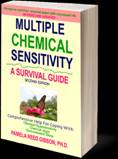
Multiple Chemical Sensitivity, A Survival Guide, by Pamela Reed Gibson, PHD Chemical Exposure, Low Levels and High Stakes (PDF), by Nicholas Ashford and Claudia Miller
National Research and Advocacy Organizations ERS Environmental Resource Team James Madison University, Pam Gibson and students. Pam has done several research studies on MCS, and is the author of the book above. The Chemical Sensitivity Foundation Allison Johnson, Allison is an advocate for MCS and work with various agencies. She has a free video on fragarance free workplace and a bibliography of all MCS research up to 2018. She has several videos and books available on her web site for sale. Ann McCampbell MD Environmental Health Consultant. Her website has articles on access to health and other MCS topic, She has an MCS blog, the latest is on MCS and the Covid-19 Vaccine |